"No Copyright Infringement Intended" does not protect you from copyright claims or permit you to use someone else's content. Whether you're sharing music, videos, or images, giving credit or adding a disclaimer isn't enough. Learn how copyright disclaimers work, what fair use means, and how to find a video's original source before reusing it.
You've probably seen the phrase "No Copyright Infringement Intended" in YouTube video descriptions, Instagram Reels, or TikTok captions.
Many creators use it when sharing someone else's music, movie clips, or video footage. They believe adding this disclaimer protects them from copyright claims.
But does it actually work?
No. Writing "No Copyright Infringement Intended" doesn't give you permission to use copyrighted content or protect you from copyright claims. What matters is whether you have permission, a valid license, or a legal exception that allows you to use the material.
Let's understand what this disclaimer means, why it doesn't protect your videos, and what you should do before reusing someone else's content.
What Does “No Copyright Infringement Intended” Mean?
People typically use this phrase to show they aren't claiming ownership of someone else's content or intentionally violating their copyright. You will find it in fan edits, reaction videos, compilations of songs, music uploads, and promotional clips.
The intent might be sincere, but crediting the original creator or not earning money from a video does not automatically permit you to reuse their content. You still need to check whether the material is licensed for your intended use or whether a copyright exception applies.
Original creative works, including music, photographs, and videos, are generally protected by copyright once they are created and recorded or otherwise fixed in a tangible form. In the United States, copyright protection usually begins automatically without requiring registration.
Does a Copyright Infringement Disclaimer Actually Work?
The copyright infringement disclaimer does NOT constitute a license. It's just a declaration of your intentions.
Imagine you download a popular song, add it to your travel video, and write "No Copyright Infringement Intended" in the description.
You haven't received permission to use that song simply by adding the disclaimer. The copyright owner may still claim, monetize, block, or request the removal of your video.
The same principle applies to movie clips, podcasts, photographs, and other copyrighted material. Adding subtitles, cropping a video, changing its speed, or making other edits does not automatically give you the right to reuse the original content.
YouTube’s own guidance on common copyright myths specifically explains that credit and disclaimers do not, by themselves, provide reuse rights.
Can You Use Copyrighted Content If You Don't Make Money?
Not making money from a video does not automatically make the use of copyrighted content legal.
Some creators believe they can reuse music, movie clips, or other videos as long as they don't monetize their uploads. However, copyright protection does not depend only on whether someone earns money from the content.
For example, uploading a popular song in the background of a personal travel video without permission may still create copyright issues, even if the video generates no revenue.
Non-commercial use can be relevant when evaluating certain copyright exceptions, such as fair use in the United States. However, it is only one part of the analysis and does not guarantee protection.
If you plan to reuse copyrighted material, check the license or get permission before publishing.
Is Fair Use Different From Saying “No Copyright Infringement”?
Yes. Fair use is a legal doctrine that may allow people to use copyrighted material without permission in certain circumstances. Unlike a copyright disclaimer, fair use is based on how and why the material is used.
For example, a film reviewer might include short clips from a movie to explain its cinematography, discuss a scene, or criticize the director's choices. This type of use may qualify as fair use, depending on the circumstances. However, simply calling a video a review or adding commentary does not automatically make it fair use.
In the United States, courts consider four factors when evaluating whether a particular use qualifies as fair use:
-
Purpose and character of the use: Why are you using the material? Is it for criticism, education, commentary, or commercial purposes? Does your work add a new purpose or meaning?
-
Nature of the copyrighted work: Is the original material factual or highly creative, such as a movie, song, or photograph?
-
Amount and substantiality used: How much of the original work have you included? Did you use an important or recognizable part of it?
-
Effect on the original work's market: Could your use reduce demand for the original content or affect the copyright owner's ability to earn money from it?
The U.S. Copyright Office’s fair-use guidance explains why cases are assessed individually.
These factors are considered together, and no single factor automatically determines the outcome. There is no universal "five-second rule" or safe percentage that guarantees fair use. Even using a small portion of a copyrighted song or video may create copyright issues, depending on the circumstances.
Adding voiceovers, cropping footage, changing playback speed, or editing a video does not automatically make its use legal. Copyright exceptions also vary by country.
What Happens If You Upload Copyrighted Content Anyway?
Even if you include a copyright disclaimer, platforms may still identify copyrighted audio or video through their content detection systems.
When YouTube's Content ID system identifies a match with copyrighted material, the copyright owner may choose to monetize, track, or block the video, depending on their settings.
It's important to understand that a Content ID claim is different from a copyright strike. A Content ID claim does not automatically mean your channel receives a strike. However, if a copyright owner submits a valid copyright removal request and YouTube removes the video, your channel may receive a copyright strike.
There are other platforms that will have their own systems, but disclaimers will not factor into reuse rights.
If you receive a Content ID claim, review the details to understand which part of your video was matched and who submitted the claim. Check your permissions and licenses before deciding whether to dispute it. Only submit a dispute if you have a valid reason, such as owning the content, having permission to use it, or believing that a copyright exception applies.
What Is the Difference Between a Copyright Claim and a Copyright Strike?
A copyright claim and a copyright strike are not the same thing, even though both relate to copyrighted material.
A Content ID claim happens when YouTube's automated system identifies content that matches a copyright owner's reference material. Depending on the owner's settings, the video may be monetized, tracked, or blocked.
A copyright strike happens when YouTube removes a video following a valid copyright removal request. It can affect your channel and may lead to further restrictions if you receive multiple strikes.
Here's the main difference:
-
Copyright claim: Usually affects the specific video through monetization, tracking, or blocking.
-
Copyright strike: Results from a copyright removal request and affects your channel.
If you receive either one, review the details carefully before taking action. Don't assume that adding a copyright disclaimer will resolve the issue.
How to Check a Video’s Source Before Reusing It
Before reusing a video, it's important to understand where it originally came from. A clip shared on social media may have been reposted several times, and the original creator or source may not be immediately obvious.
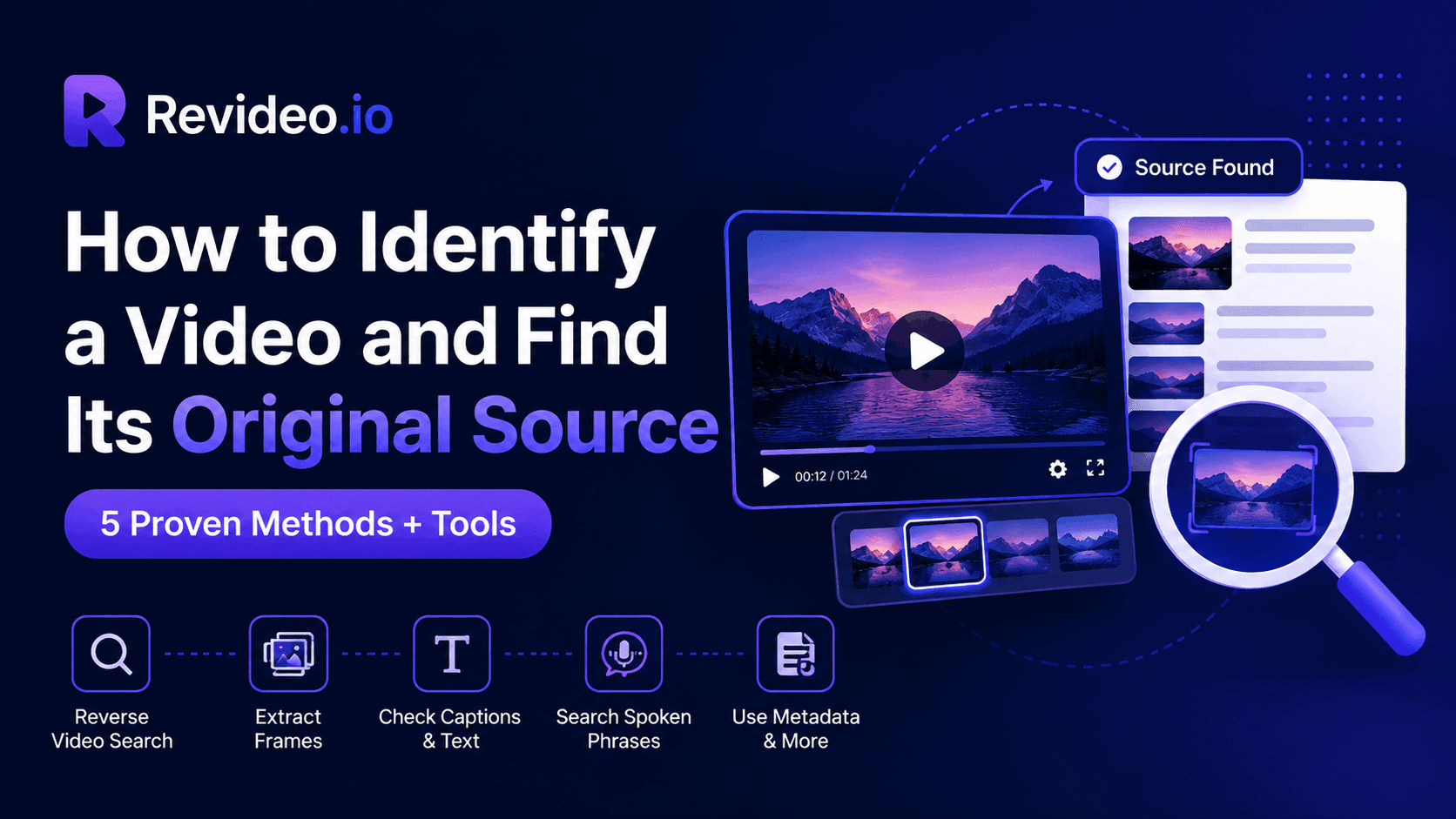
You can do a reverse video search to find matching versions of a clip across indexed websites and supported platforms. This can help you investigate where the footage appeared and identify potential earlier uploads.
A reverse video search tool like Revideo can help you find matching video uploads across supported search engines and platforms. By reviewing matching results, source links, available metadata, and upload information, you can investigate where the footage has appeared and identify potential earlier versions.
Here’s a step-by-step process for how you can use an online reverse video search tool to check the video source:
-
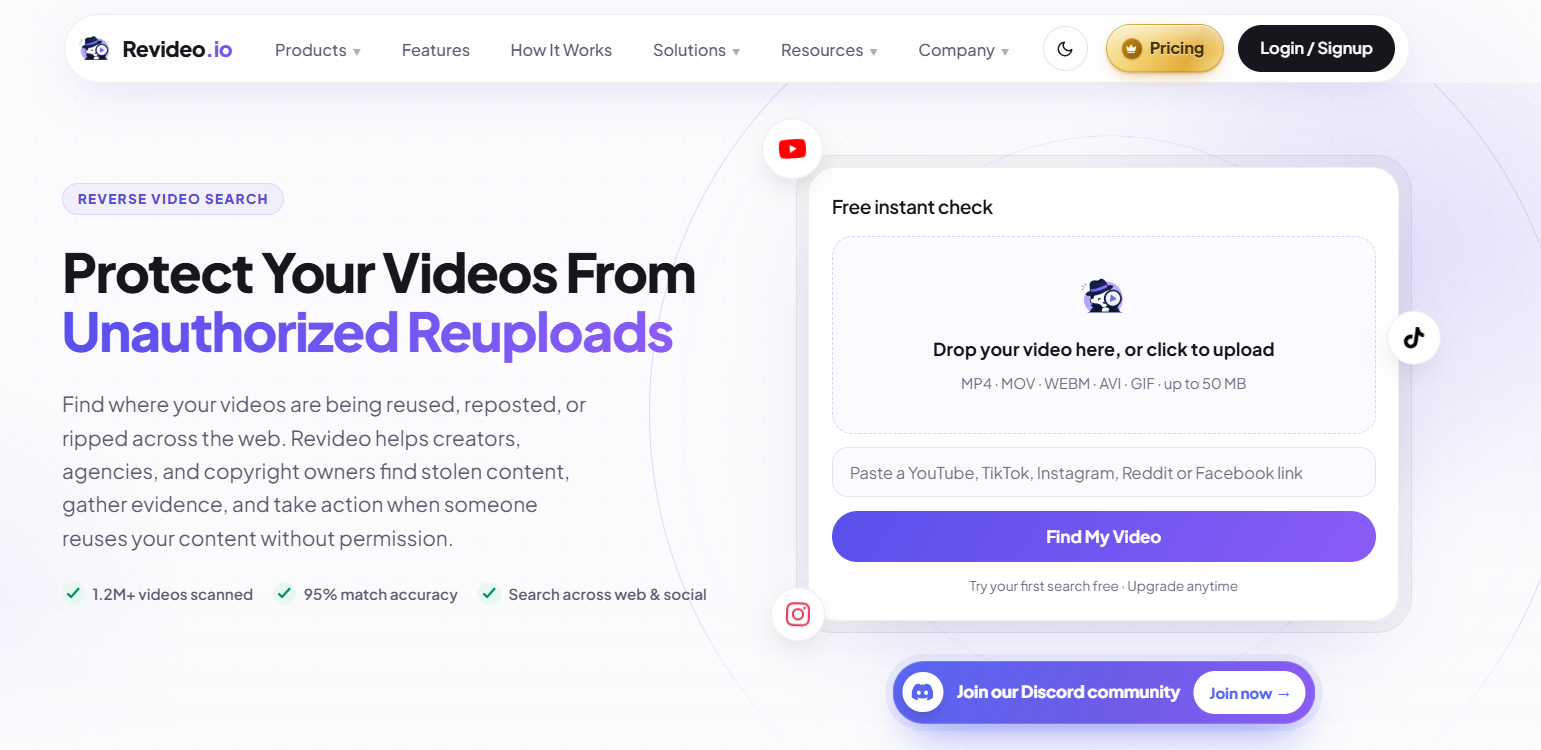
Navigate to Revideo.io to perform a reverse video search.
-
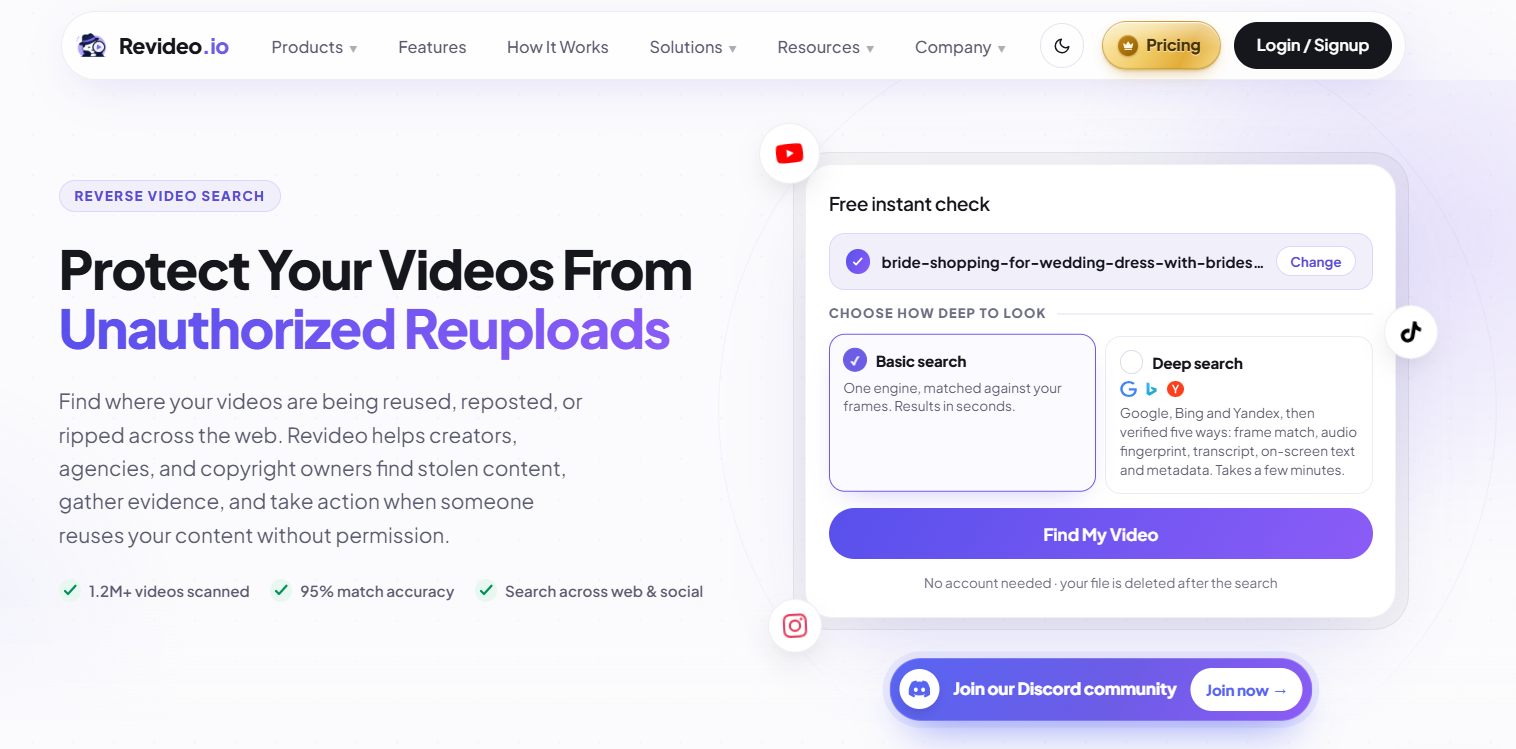
Upload the video from the device or directly paste the URL.
-
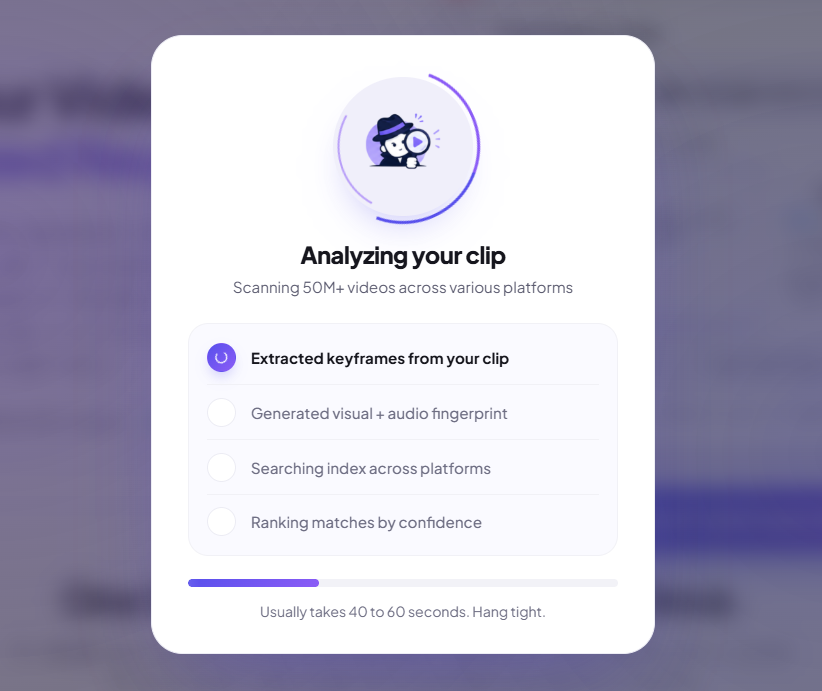
It will start processing the video and extract keyframes from different scenes and match them across online sources.
-
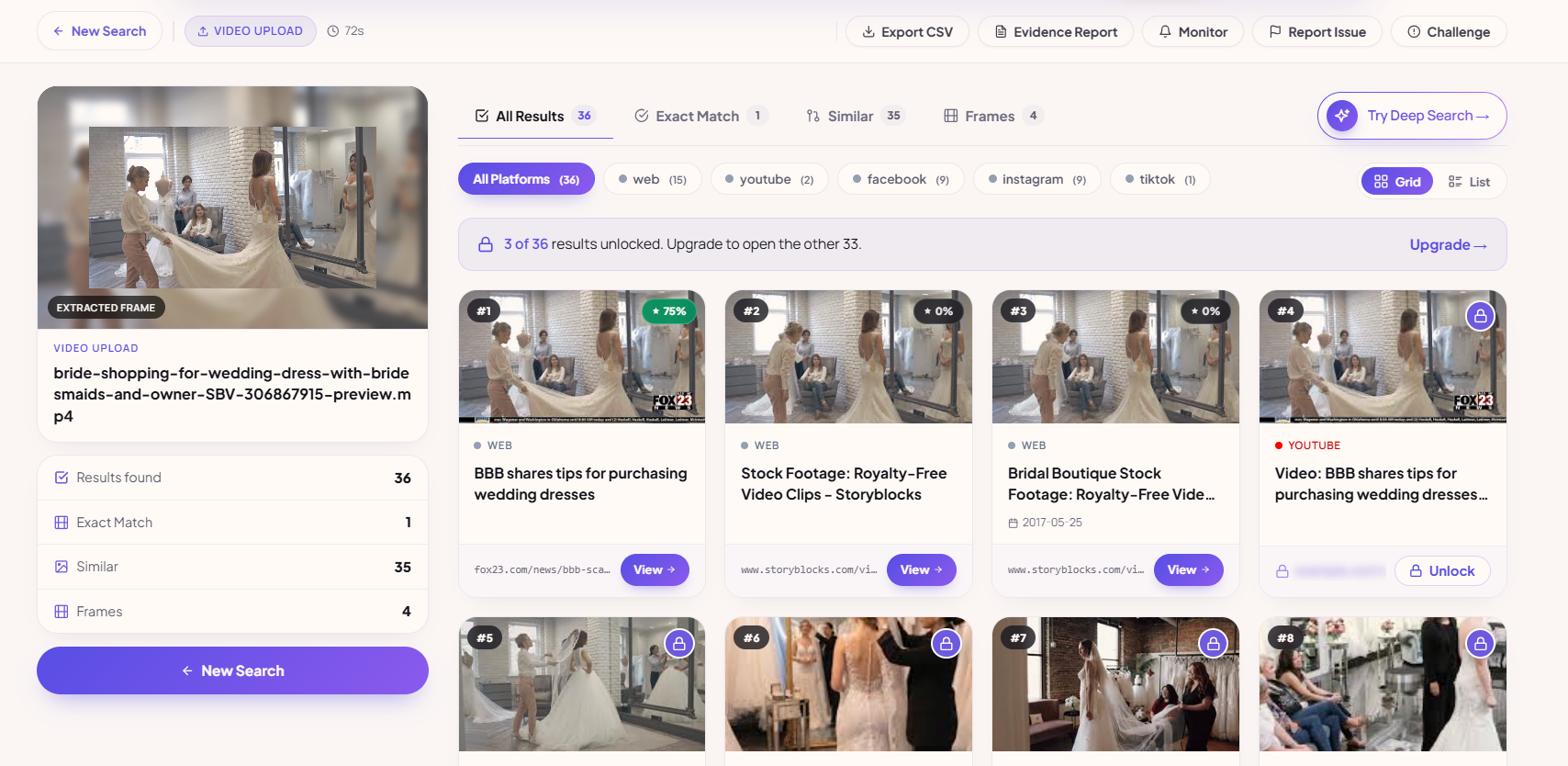
The tool will then list all the exact matches and similar results with the matching score.
Keep in mind that reverse video search tools cannot find every video available online. Results depend on the platforms supported, available search indexes, and whether matching content is publicly accessible. A recently uploaded video or content shared privately may not appear in search results. Therefore, not finding a match does not necessarily mean the video has never been uploaded elsewhere.
What Should Creators Do Instead of Adding a Disclaimer?
Here are five ways to avoid common copyright problems before publishing:
-
Use original work. Create your own videos, music, graphics, and other creative assets whenever possible. Make sure you have the necessary rights to any third-party material you include.
-
Get permission. Save the license and its permitted uses.
-
Check licensing terms. Creative Commons and stock licenses have different conditions.
-
Verify public-domain status. Old or freely accessible does not mean copyright-free.
-
Assess exceptions. Fair use needs a real analysis, not a generic notice.
-
Check the source. Before reusing a video, try to identify its original creator or publisher. Verify where the footage came from and contact the rights holder if you need permission.
Getting permission or securing the correct license before publishing is much safer than assuming a disclaimer will protect your content. Keep a copy of your license or written permission, and check its terms carefully. Some licenses only allow use on specific platforms, in certain countries, or for non-commercial purposes. Make sure your intended use falls within the permission you have received.
Is There Ever a Reason to Use a Copyright Disclaimer?
A copyright disclaimer can still be useful in certain situations, particularly when you want to acknowledge the original creator or provide attribution for content you are allowed to use.
For example, if you use music under a Creative Commons license, you may need to credit the original artist according to the license requirements. Similarly, you might include a copyright notice to identify the owner of material used with permission.
However, remember that a disclaimer is not a substitute for permission or a valid license. If you don't have the necessary rights to use someone else's content, simply adding "No Copyright Infringement Intended" will not make that use legal.
Related FAQs
-
Can I use copyrighted music if I give credit?
No. Giving credit to the original artist doesn't automatically permit you to use their music. You need to check whether the music is licensed for your intended use or whether a copyright exception applies.
-
Does “no copyright infringement intended” prevent a YouTube strike?
No. Adding this disclaimer does not prevent a copyright owner from requesting the removal of your video. A Content ID claim and a copyright strike are different. A claim may affect your video's monetization, visibility, or tracking, while a valid copyright removal request can result in a strike against your channel.
-
Can I avoid copyright infringement by using only a few seconds?
No. There is no universal five-second rule under U.S. copyright law. Even a short clip of music or video can create copyright issues. Whether an exception such as fair use applies depends on the specific circumstances, including the purpose and amount of material used.
-
Is content on social media free to reuse?
No. Just because a video is publicly available on YouTube, Instagram, or TikTok does not mean it is free to download, edit, or repost. Check who owns the content and whether you have permission, a valid license, or a legal exception that allows you to reuse it.
-
Can I use copyrighted content for educational or personal purposes?
Sometimes, but not automatically. Educational, research, criticism, and personal uses may be relevant to certain copyright exceptions, depending on the country and circumstances. In the United States, educational or non-commercial use is only one factor in a fair use analysis.
Final Thoughts
So, let's tie up this blog here!
The phrase "No Copyright Infringement Intended" may sound like a reasonable disclaimer, but it does not protect you from copyright claims or give you permission to reuse someone else's content.
Before publishing a video, make sure you have the necessary rights, check the licensing terms, and understand whether a copyright exception applies.
If you're unsure where a video originally came from, use reverse video search to investigate its source and find matching uploads across supported platforms.
Remember, giving credit is good practice, but getting the right permission is what matters.